 English
  Russian
  简体中文
简体中文 Material Transfer System 101: Types, Benefits, and How to Choose the Right One
Published Date: July 24, 2026 | By BIOP Engineering Team | Category: Industrial Automation & Material Handling
In modern industrial manufacturing, fine chemicals, lithium battery materials, food processing, and pharmaceuticals, an efficient, safe, and dust-free Material Transfer System is critical for maintaining stable continuous production lines. Whether handling sub-micron cathode powders, plastic granules, or reactive chemical raw materials, choosing an improper conveying method often leads to particle segregation, pipeline wear, dust emission, or production downtime. This guide breaks down the major types, core benefits, and expert selection criteria for industrial transfer systems.
1. What is a Material Transfer System & Why is it Vital?
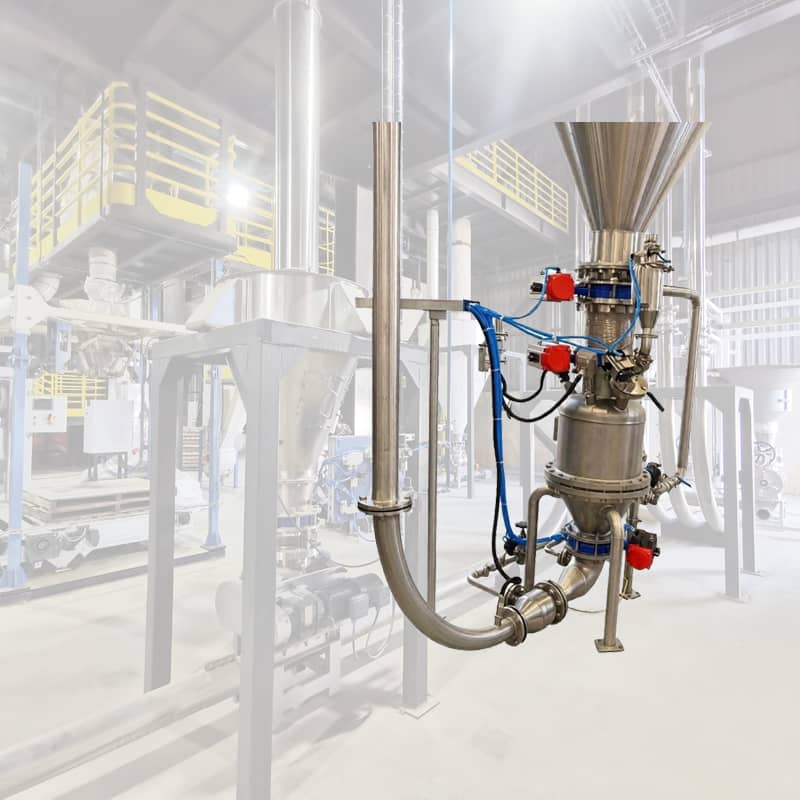
A material transfer system refers to integrated equipment that automatically transports powders, granules, and small blocks from origin to destination through enclosed or semi-enclosed pipelines using pneumatic pressure, mechanical power, or gravity. Compared to traditional manual handling or open belt conveyors, modern automated transfer systems offer overwhelming advantages:
Zero Dust Pollution & Emissions: Fully enclosed pipeline conveying complies strictly with environmental and cleanroom standards, protecting operator health.
Prevents Contamination & Degradation: Isolates material from ambient moisture and impurities, essential for lithium battery components and pharmaceuticals.
Reduces Labor Intensity & Costs: Enables one-touch full PLC automation, greatly boosting facility efficiency.
2. Common Types of Industrial Transfer Systems
1. Positive Pressure Dense-Phase Pneumatic Conveying Systems
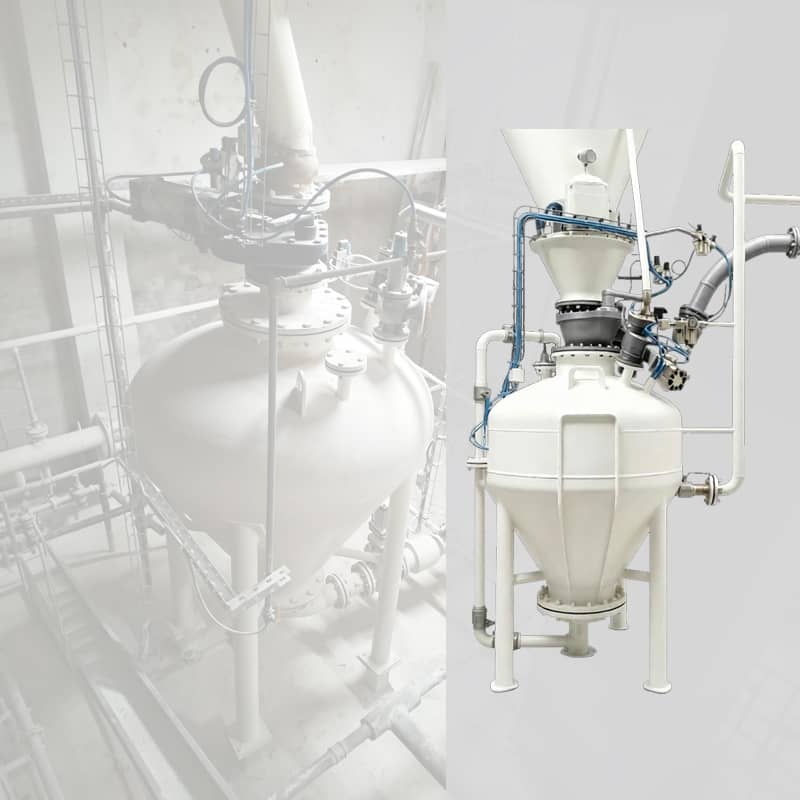
Utilizes high-pressure gas (compressed air or nitrogen) to propel high-concentration powder plugs through pipelines to designated silos. Featuring low velocity, minimal pipe wear, and long-distance capacity, it is the ideal choice for battery powders and fine chemicals. Discover further details in our >> Dense-Phase Tank Conveyor System.
2. Mechanical & Bucket Auxiliary Conveying Systems
Includes screw conveyors, bucket elevators, and rotary airlock valves for short-distance vertical or horizontal lifting. Frequently paired with pneumatic frontend systems to build comprehensive batching networks. View related equipment via >> Industrial Bulk Material Storage Silo & Feeding Systems.
3. Environmental Dust Collection & Exhaust Filtration Systems
Discharge points in powder transfer require efficient filtration units to balance pressure and recover fine particulates. Explore environmental protection setups at >> Pulse-Jet Dust Collection System.
3. Core Filtration Components & Protection
Throughout pneumatic conveying and powder processing, gas purification and exhaust filtering are paramount. Premium filtration elements guarantee long-term trouble-free operation:
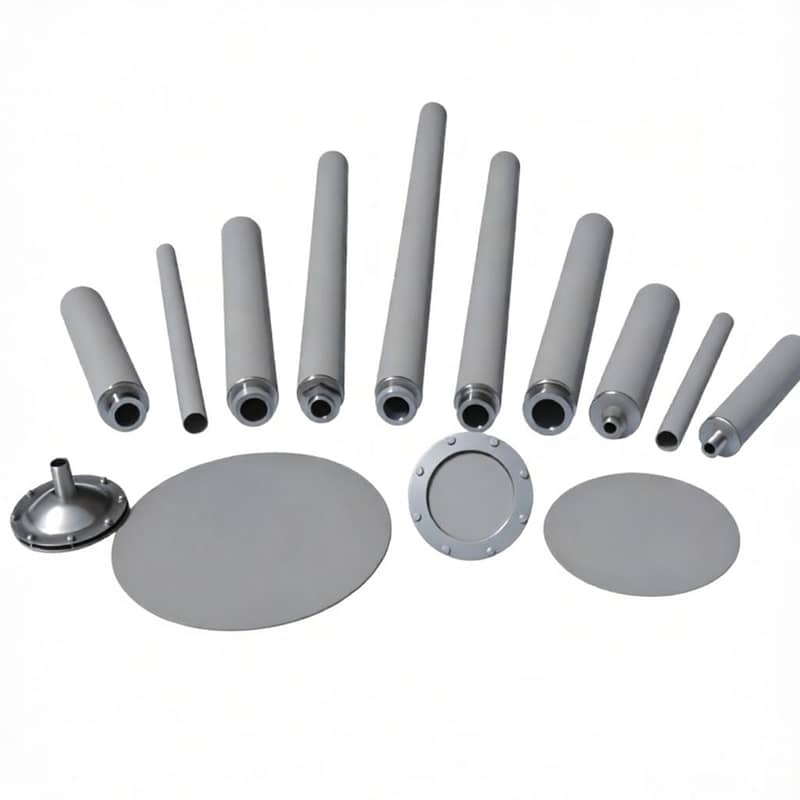
For extreme high-temperature and high-pressure duties: >> Stainless Steel Sintered Filter Element
For large-area fluid filtration and oil purification: >> Stainless Steel Folded Mesh Filter Element
4. How to Choose the Right Material Transfer System?
Evaluation requires analyzing four critical dimensions:
Material Physical Properties: Bulk density, particle size distribution, flowability, moisture, abrasiveness, and combustibility.
Conveying Distance & Throughput: Horizontal distance, vertical lift height, and tons per hour (t/h).
Facility Space Constraints: Pipeline routing flexibility and existing plant layout limitations.
Industry Hygiene & Environmental Standards: Compliance with GMP, ATEX explosion-proof ratings, and hermetic dust-free emission rules.
External Industry Reference: To explore engineering principles and fluid mechanics in modern pneumatic transport, consult ScienceDirect Pneumatic Conveying Research Overview.
Conclusion & Engineering Support:
Choosing the right transfer system is key to optimizing plant productivity and minimizing waste. BIOP brings decades of powder engineering expertise to tailor custom solutions. Contact our engineers today: >> Contact Our Engineering Team